Source Organic Himalayan Shilajit Gummies for Energy and Immunity
Find 30 listings for organic himalayan shilajit gummies to compare specifications, MOQs, and OEM services. Buyers can evaluate products offering immune support and energy management from verified manufacturers in Guangdong, China.
Key considerations
Products List





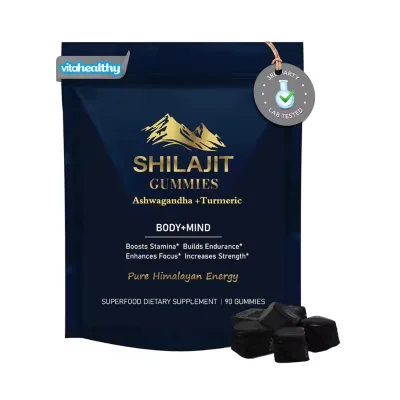


Comprehensive Sourcing Guide
Strategic Sourcing Guide for Organic Himalayan Shilajit Gummies
The global demand for natural dietary supplements has surged, with organic Himalayan Shilajit gummies emerging as a high-potential category for B2B buyers. This guide provides an evidence-based framework for sourcing these products, focusing on technical specifications, regulatory compliance, and supply chain logistics. Buyers must navigate a complex market where product attributes vary significantly between suppliers. The following sections detail the critical factors required to secure a reliable supply chain for Shilajit gummies, ensuring that procurement decisions are grounded in verified data rather than marketing claims.
Technical Specifications and Product Formulation
Understanding the precise technical specifications of Shilajit gummies is the first step in any sourcing process. The core ingredient, Shilajit, is a mineral pitch derived from the rocks of the Himalayas. In the context of gummy supplements, the product typically falls under the category of herbal supplements or mineral supplements. The dosage form is consistently identified as gummy candy, which requires specific manufacturing expertise to ensure the active ingredients remain stable within the gelatin or pectin matrix.
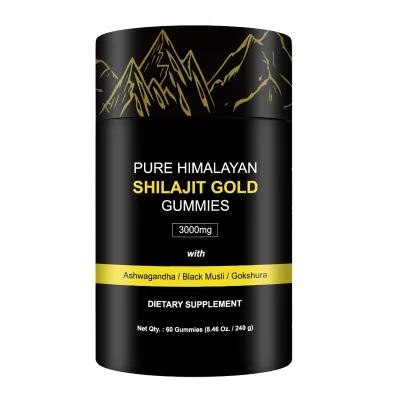
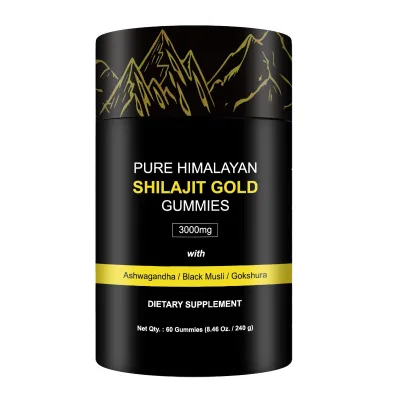
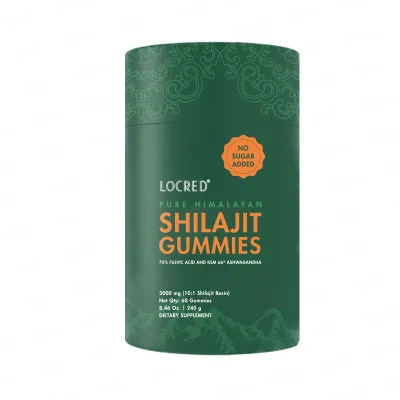
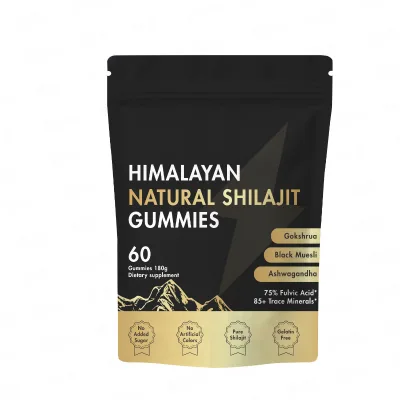
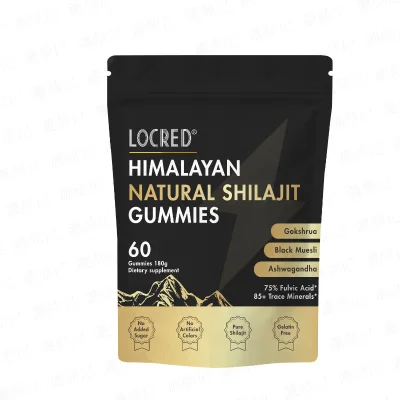
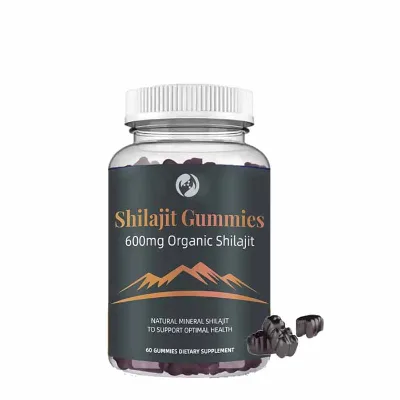
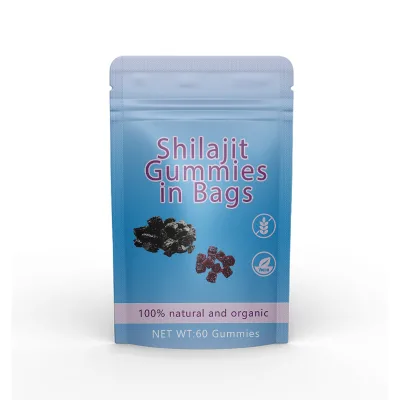
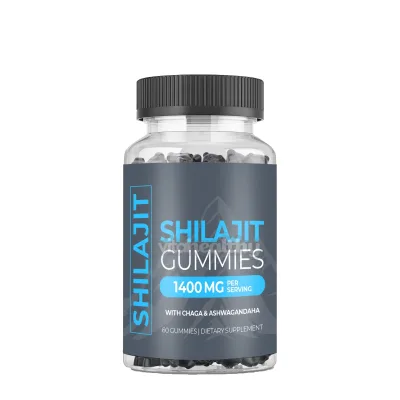
Key technical attributes observed in the market include the specification of 60 gummies per unit, often packaged in a cylinder or jar format. The single package dimensions can vary; for instance, individual units may measure approximately 10x10x10 cm, while bulk shipping cartons can reach dimensions of 55x39.5x38 cm. The gross weight of a single package is typically around 0.5 kg, though bulk pallet weights can be significantly higher, reaching up to 14.5 kg depending on the packaging configuration.
The flavor profile is a critical differentiator. While some suppliers offer an "original" taste, others provide customized flavor options to align with brand identity. The recommended dosage for adults is generally two gummies per serving. It is imperative to note that these products are formulated for adults and are explicitly not applicable for newborns or pregnant women. The shelf life is a crucial technical parameter, with most reputable manufacturers guaranteeing a duration of 24 months or two years when stored correctly. Storage requirements are strict, mandating a cool, dry place to maintain the integrity of the Shilajit resin and prevent the gummies from melting or degrading.
Regulatory Compliance and Certification Verification
Compliance with international standards is non-negotiable for B2B procurement in the dietary supplement sector. Buyers must verify that their potential suppliers hold valid certifications that demonstrate adherence to quality management systems. The most common certifications observed in this sector include GMP (Good Manufacturing Practice), HACCP (Hazard Analysis and Critical Control Points), QS (Quality Safety), and ISO standards. These certifications are not merely badges of honor; they are indicators of a facility's ability to produce safe, consistent, and high-quality products.
When evaluating a supplier, the buyer should request current copies of these certificates and verify their validity with the issuing bodies. The grade of the raw materials used is another vital compliance factor. The product must be classified as "Food Grade," ensuring that the Shilajit and other ingredients are safe for human consumption. The place of origin is also a compliance consideration; many high-quality Shilajit products originate from specific regions such as Guangdong, China, or the Himalayan regions themselves. Buyers should confirm the supply chain's transparency regarding the source of the raw Shilajit to ensure it is genuinely organic and harvested sustainably.
Furthermore, the product classification must align with local regulations in the destination market. Whether the product is categorized as a vitamin, a dietary supplement, or a herbal remedy, the labeling and ingredient list must comply with the regulatory framework of the importing country. The "Product" category is often listed as "Vitamins & Dietary Supplements," but the specific legal definition can vary. Buyers must ensure that the supplier's documentation supports the intended market classification to avoid customs delays or regulatory penalties.
Cost Drivers and Pricing Structure Analysis
The pricing of Shilajit gummies is influenced by several dynamic factors, including the purity of the raw material, the complexity of the gummy formulation, and the scale of the order. The observed price range in the market typically spans from $1.20 to $5.50 USD per unit, though this can fluctuate based on the specific brand, packaging, and customization level. It is essential for buyers to understand that the lowest price does not necessarily equate to the best value, especially when considering the cost of raw Shilajit, which is a premium ingredient.
Minimum Order Quantity (MOQ) is a significant cost driver. In the current market, the standard MOQ for Shilajit gummies is often set at 500 units, whether measured in bottles, pieces, or cartons. Some suppliers may offer lower MOQs for sample orders, but bulk pricing tiers usually kick in at the 500-unit threshold. Buyers should be prepared to negotiate based on their projected annual volume, as larger commitments often yield better unit economics.
Additional cost factors include the choice of packaging. A cylinder or jar packaging might incur different costs compared to blister packs or custom-shaped bottles. The "Single Selling Unit" designation indicates that the product is sold as a single item, but bulk packaging for shipping (such as the 55x39.5x38 cm carton) affects the logistics cost. Buyers must also account for the cost of samples, which are typically available but may require payment for shipping and handling. The "Service" aspect, including OEM (Original Equipment Manufacturer) and ODM (Original Design Manufacturer) capabilities, adds value but may also increase the initial setup costs.
Typical Applications and Target Market Segmentation
Shilajit gummies are marketed primarily for their functional benefits, with "Providing Energy" and "Improving Immunity" being the most prominent claims. These products are designed to support energy management and immune system health, making them suitable for a wide range of adult consumers. The "Applicable People" category is strictly defined as adults, excluding newborns and pregnant women due to safety and efficacy data limitations for these groups.
The versatility of the gummy format makes these products highly applicable for various retail channels. They are ideal for health food stores, pharmacies, and online e-commerce platforms. The "Season: All Seasons" attribute indicates that demand is relatively stable throughout the year, without the sharp peaks and troughs seen in seasonal products like flu vaccines or winter-specific supplements. The "Part: Bark" and "Type: Mineral" classifications highlight the natural origin of the ingredients, appealing to consumers seeking clean-label, plant-based, or mineral-rich supplements.
The "Effectiveness" profile often includes "Promotion Development," suggesting that these products are also used in marketing campaigns to drive brand awareness. The "Brand Name" can be either a proprietary name like "LOCRED" or a generic "OEM" designation, allowing retailers to build their own brand equity. The "Flavor: Customized" option allows brands to tailor the product to specific regional tastes, enhancing market penetration.
Supplier Evaluation and Service Capabilities
Selecting the right supplier requires a thorough evaluation of their service capabilities and operational flexibility. The "Service" attribute frequently lists "OEM ODM Private Label," indicating that suppliers are equipped to manufacture products under the buyer's brand. This is a critical capability for retailers looking to differentiate themselves in a crowded market. Buyers should assess the supplier's ability to handle private label requests, including custom packaging design, flavor formulation, and ingredient sourcing.
The availability of samples is another key indicator of supplier reliability. Most suppliers offer "Sample: Available" or "Avaliable" options, allowing buyers to test the product quality before committing to a large order. The "Dose" and "Dosage Form" consistency across samples and bulk orders must be verified to ensure that the final product meets the buyer's specifications.
When evaluating suppliers, buyers should also consider the "Place of Origin." Suppliers based in regions like Guangdong, China, often have established infrastructure for exporting dietary supplements. However, the specific manufacturing location should be verified to ensure it meets the buyer's ethical and quality standards. The "Model Number," such as "GC-60-SHILAJIT002," serves as a unique identifier for specific product configurations, helping buyers track and compare different offerings from the same supplier.
Quality Control and Long-Term Procurement Strategy
Quality control is paramount in the dietary supplement industry. Buyers must implement a rigorous QC strategy that includes pre-shipment inspections, third-party laboratory testing, and ongoing supplier audits. The "Shelf Life" of 24 months requires strict adherence to storage conditions, which must be maintained throughout the supply chain. Any deviation from the "Cool Dry Place" or "dry and cool" storage requirements can compromise product quality.
Long-term procurement considerations involve building a resilient supply chain. Buyers should diversify their supplier base to mitigate risks associated with geopolitical instability, raw material shortages, or manufacturing disruptions. The "Single gross weight" and "Single package size" data provided by suppliers are essential for logistics planning and inventory management. Accurate weight and dimension data ensure that shipping costs are calculated correctly and that warehouse space is utilized efficiently.
Furthermore, buyers should establish clear communication channels with suppliers regarding changes in regulations, ingredient sourcing, or manufacturing processes. The "Certificate" status should be reviewed periodically to ensure continued compliance. By focusing on these long-term strategies, buyers can secure a steady supply of high-quality Shilajit gummies that meet the evolving demands of the market.
Comparative Analysis of Product Attributes
To facilitate decision-making, the following table summarizes key product attributes observed in the market for Shilajit gummies. This comparison highlights the variability in specifications and helps buyers identify the most suitable product for their needs.
| Attribute | Observation A | Observation B | Observation C |
|---|---|---|---|
| Product Name | Shilajit Gummies | Pure Himalayan Natural Shilajit Gummies | Vitamins & Dietary Supplements |
| Main Ingredient | Shilajit | Shilajit | Mineral / Herbal |
| Dosage Form | Gummy Candy | Gummies | Gummy Candy |
| Specification | 60 Gummies | 60 Gummies | Single Item |
| Shelf Life | 2 Years / 24 Months | 2 Years | 24 Months |
| MOQ | 500 | 500 Bottles | 500 Pcs |
| Flavor | Original | Customized | Customized |
| Packaging | Cylinder | Jar | Jar |
| Storage | Cool Dry Place | Cool and Dry Place | Dry and Cool |
| Applicable People | Adult | Adult | Adult |
| Not Applicable | Newborn | Pregnant Women | Newborn |
| Certification | GMP, HACCP, QS, ISO | GMP, HACCP, QS, ISO | GMP, HACCP, QS, ISO |
| Place of Origin | Guangdong, China | Guangdong, China | Guangdong, China |
| Brand Name | LOCRED | OEM | LDJ |
This table illustrates that while core attributes like shelf life and certification are consistent, packaging and branding options offer significant flexibility. Buyers should use this data to align their procurement strategy with their specific brand requirements and market positioning. By carefully analyzing these attributes, buyers can make informed decisions that balance cost, quality, and operational efficiency.
FAQs
What certifications do organic himalayan shilajit gummies suppliers hold?
Suppliers typically hold GMP, HACCP, QS, and ISO certifications to ensure quality. These standards verify that the manufacturing facility adheres to strict safety and hygiene protocols for food-grade herbal supplements.
How long is the shelf life of these gummy supplements?
The shelf life is generally 24 months or two years when stored correctly. Buyers must ensure the product remains in a cool and dry place to maintain the integrity of the Shilajit resin.
Which minimum order quantity applies to bulk purchases?
The standard minimum order quantity is 500 units, whether measured in bottles or pieces. Some suppliers may offer samples, but bulk pricing tiers usually require this specific volume commitment.
Can buyers request custom flavors and private labeling?
Yes, OEM and ODM private label services are available for customization. Suppliers can adjust the flavor profile and packaging to align with the buyer's brand identity and specific market requirements.
What is the recommended dosage for adult consumers?
The recommended dosage for adults is two gummies per serving. These products are formulated specifically for adults and are not applicable for newborns or pregnant women due to safety guidelines.
Where are these dietary supplements typically manufactured?
Many high-quality products originate from Guangdong, China. Buyers should verify the place of origin to ensure the supply chain is transparent and meets their ethical sourcing standards.
What packaging formats are available for single items?
Products are commonly packaged in cylinders or jars as single selling units. Bulk shipping cartons vary in size, with dimensions reaching up to 55x39.5x38 cm for efficient logistics.